Budka, P. (2025). Infrastructural disruption, entanglement and change in Northern Manitoba, Canada. Anthropologica, 67(1). https://doi.org/10.18357/anthropologica67120252709
My openly accessible article is published in the Special Issue “Narratives and Temporalities of Infrastructure: The Canadian Experience,” which I co-edited with Giuseppe Amatulli for Anthropologica. The article explores how infrastructural disruptions and entanglements reshape social relations and everyday life in Northern Manitoba.
Abstract
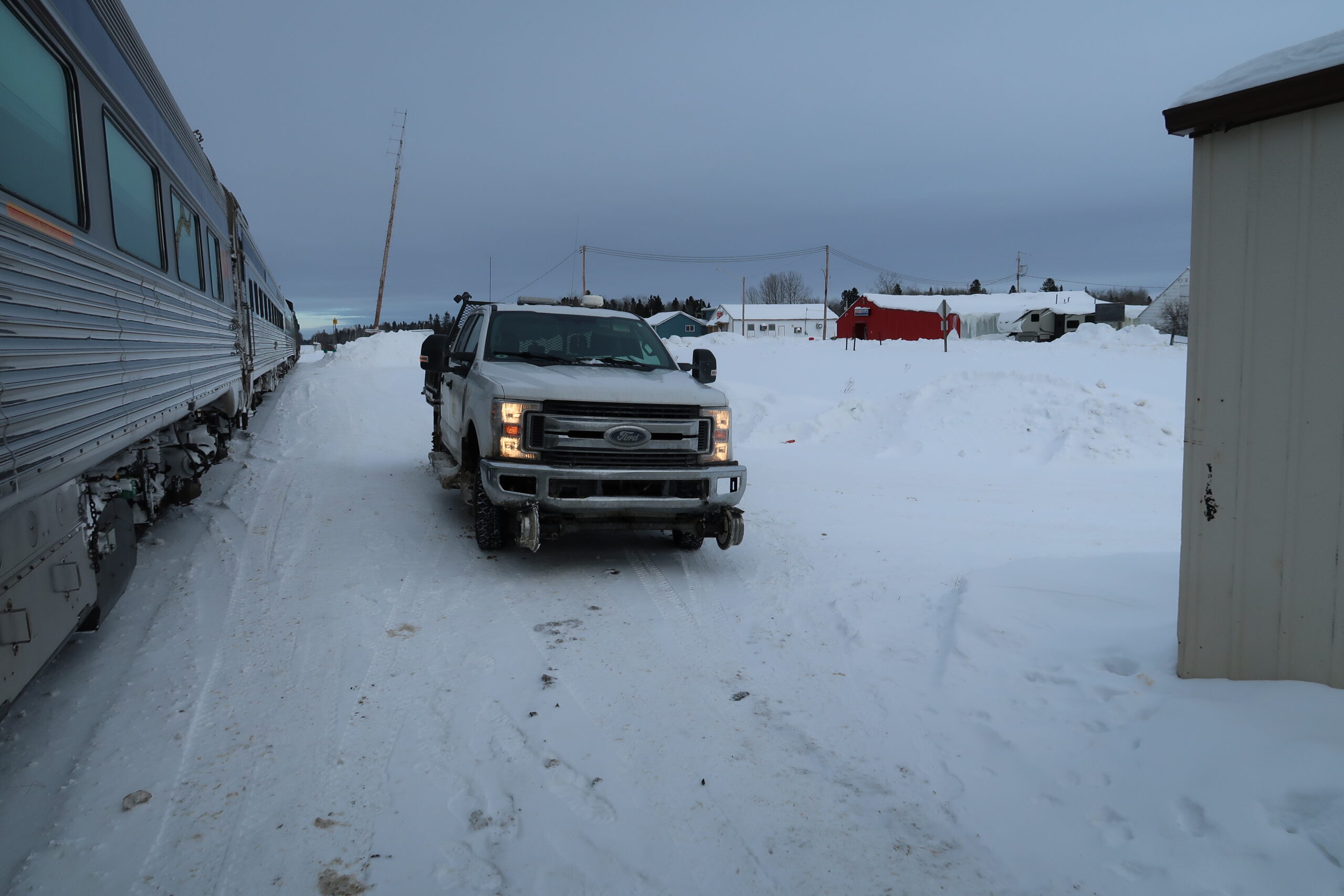
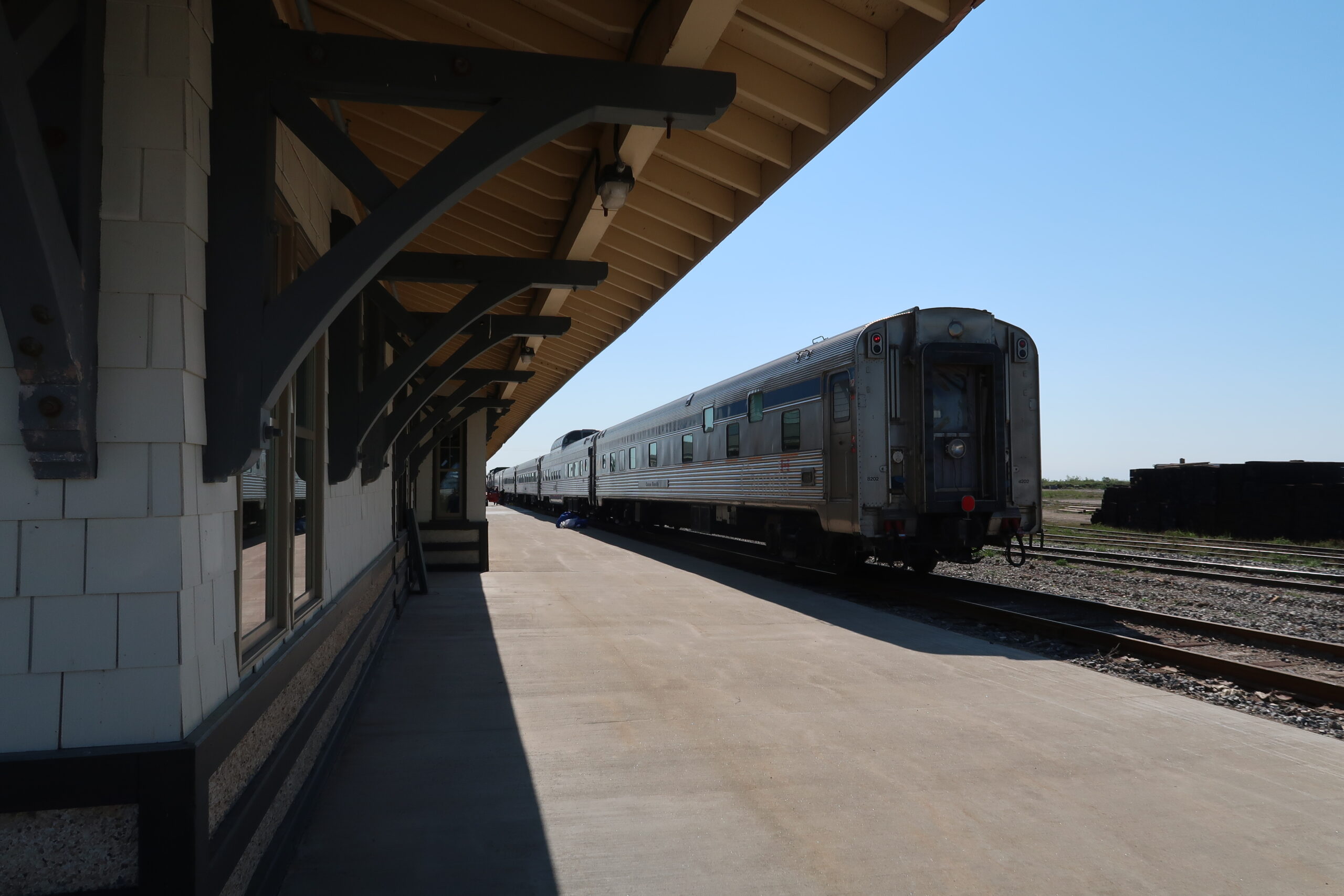
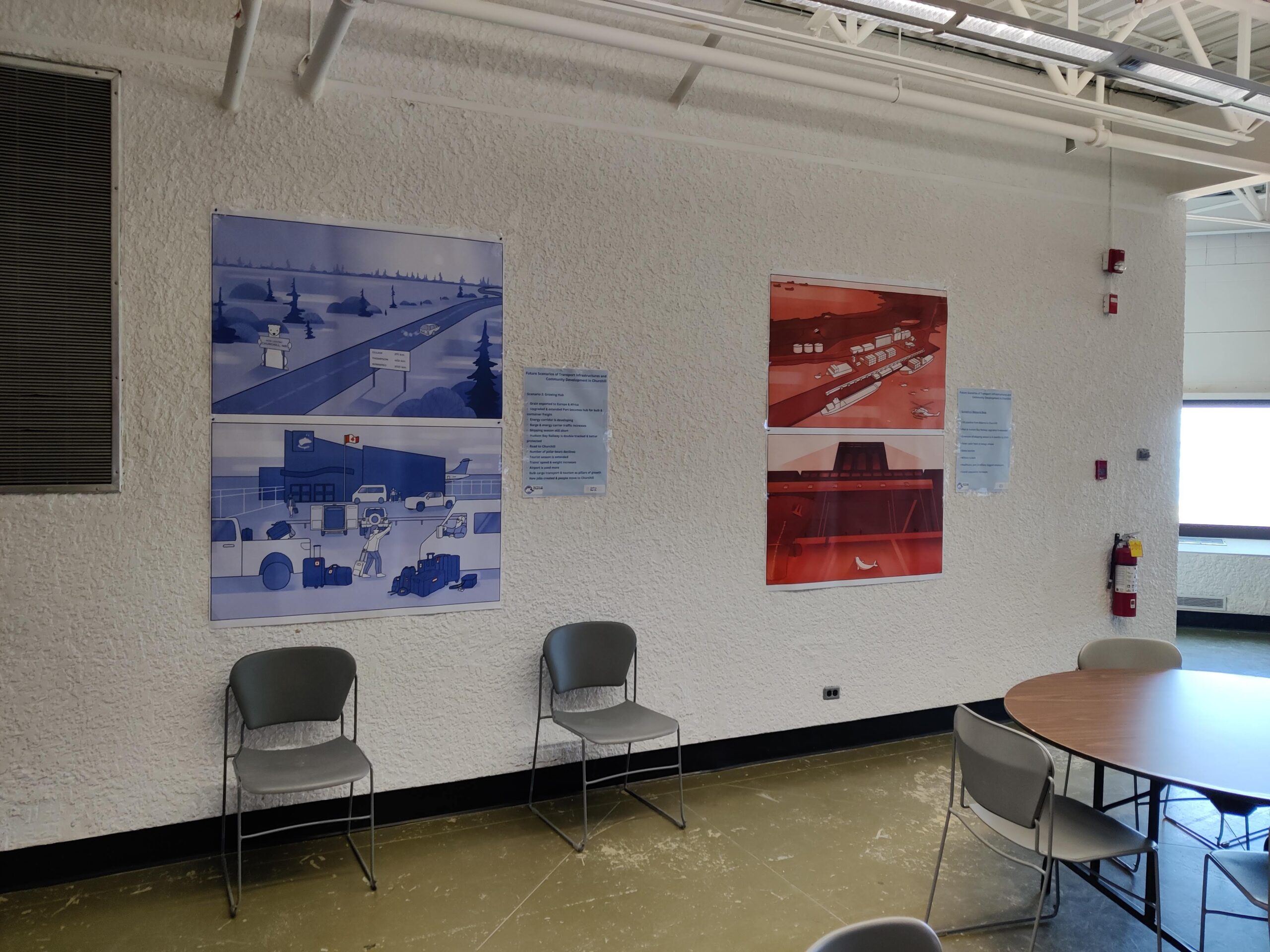
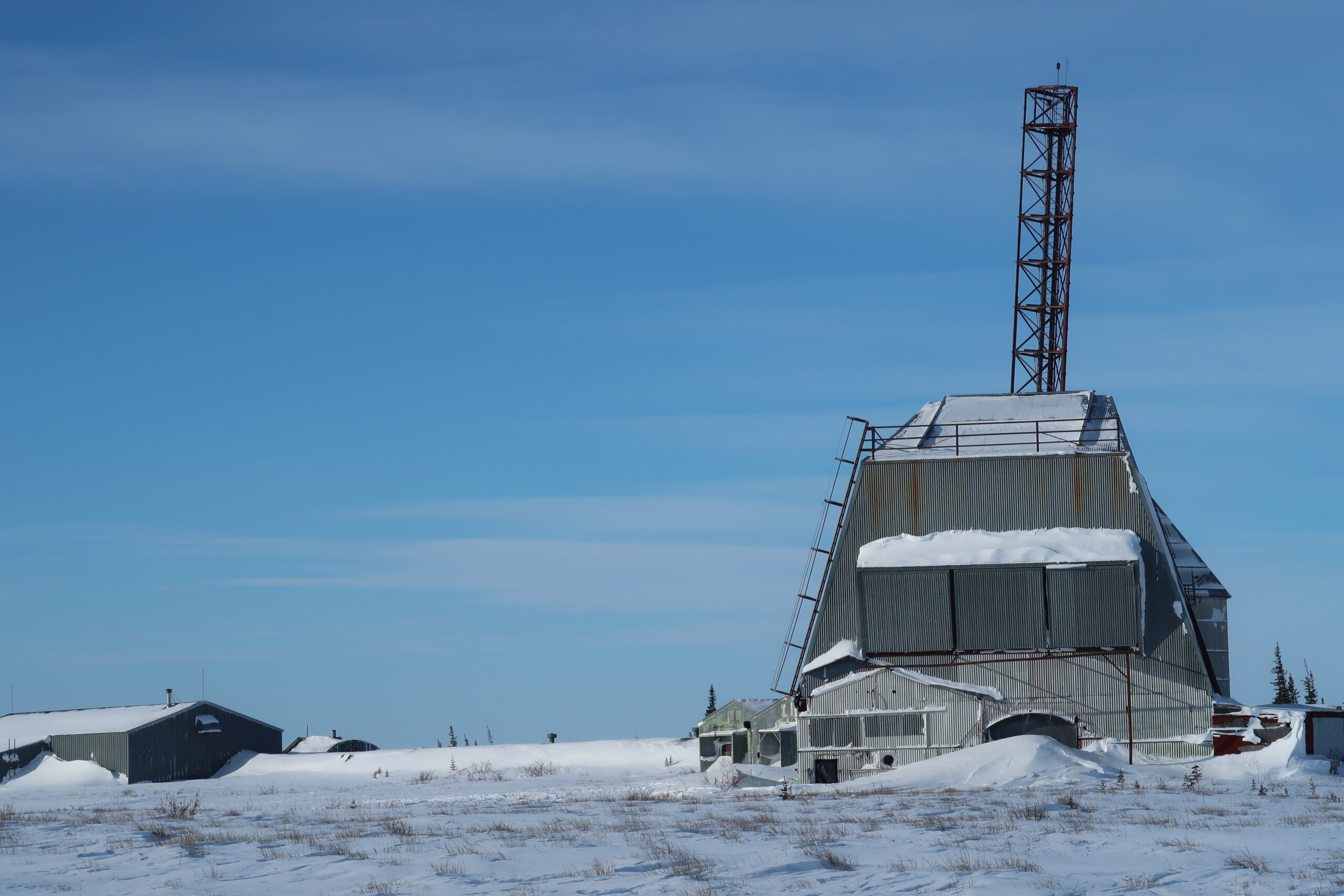
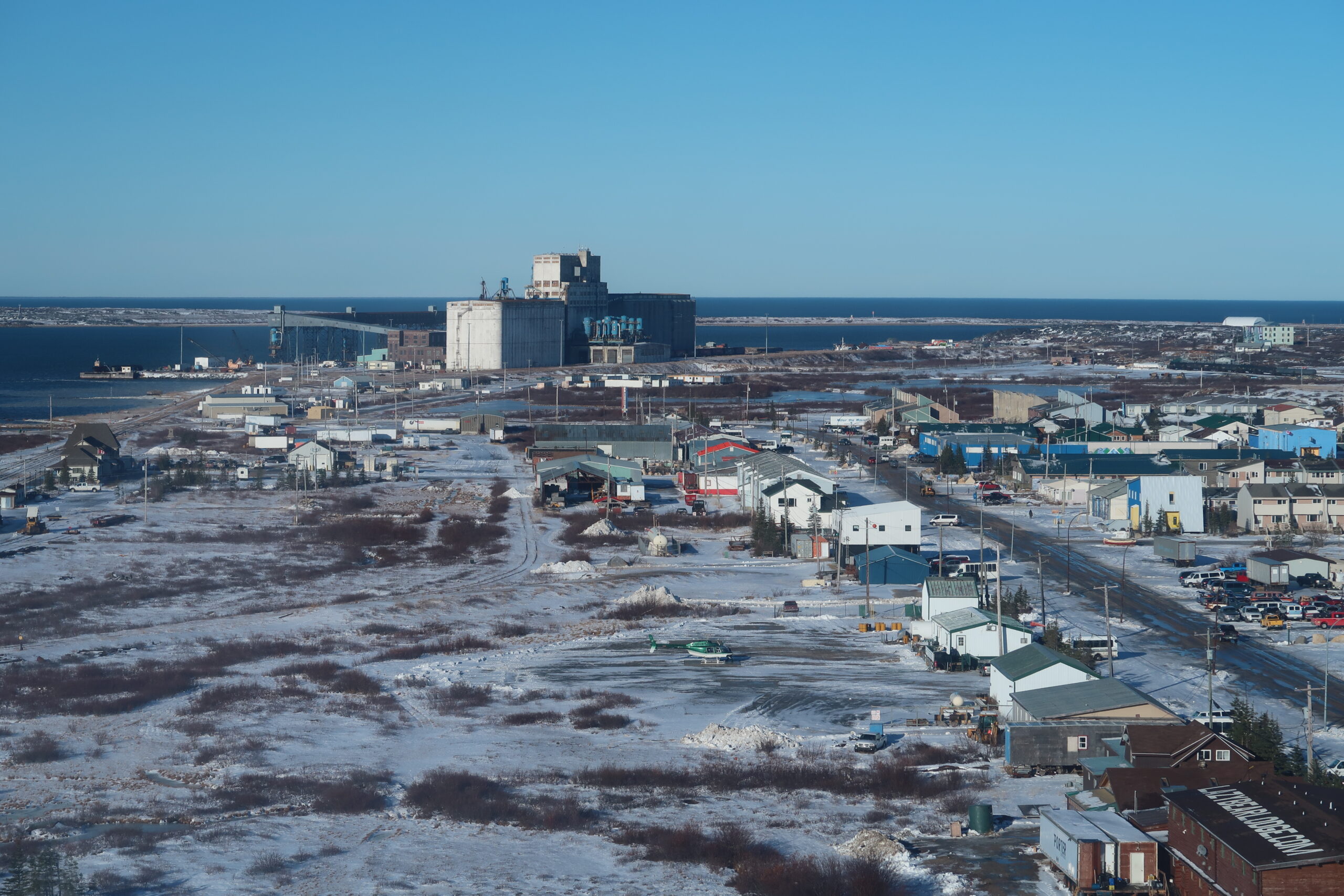
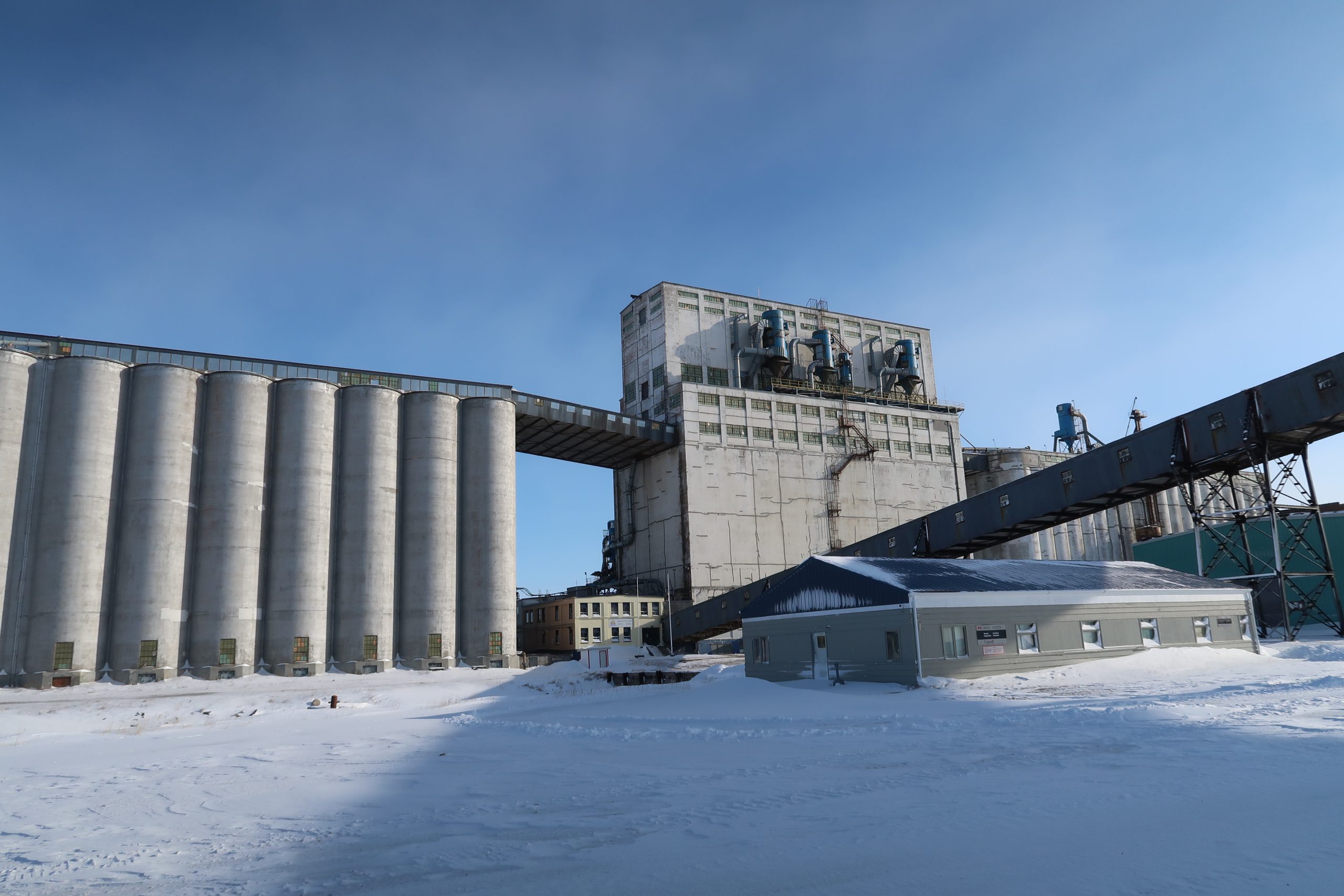
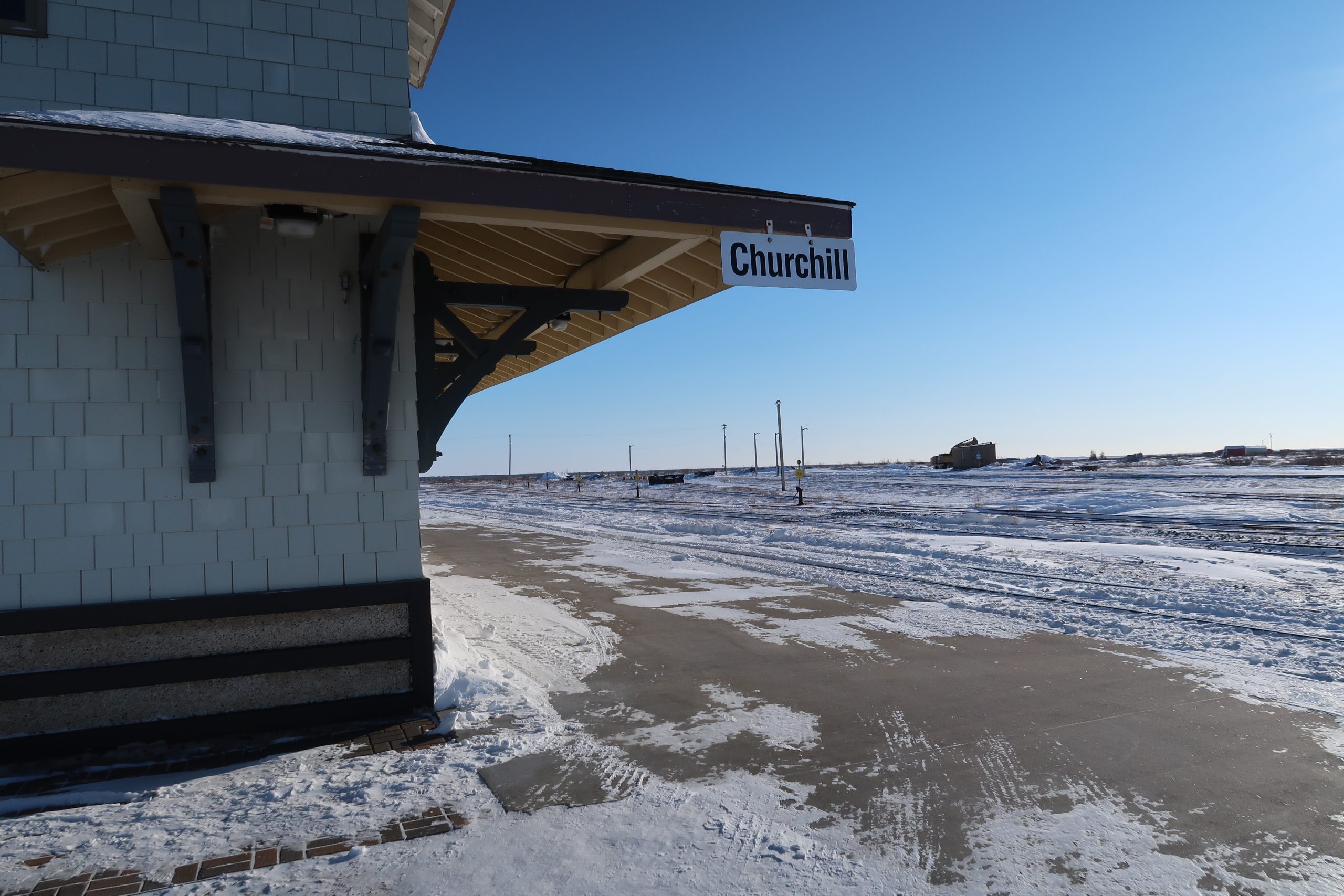
Situated at the junction of boreal forest, Subarctic tundra, and Hudson Bay, the town of Churchill in northern Manitoba is unique for its transport infrastructure. With no road access, this community of 870 people hosts the only deep-water port on the Arctic Ocean connected to the North American rail network. Its airport, a legacy of military presence, supports a growing tourism economy. Churchill exists because of these infrastructures—and has changed alongside them. This entanglement becomes especially visible when infrastructure is disrupted. In 2017, flooding destroyed sections of the Hudson Bay Railway, cutting off land access for eighteen months. The disruption triggered shifts in ownership, control, and governance, resulting in one of the few cases worldwide where Indigenous and northern communities collectively own and manage a major Subarctic transport corridor. Ethnographic fieldwork and future scenario workshops reveal how residents of Churchill engage with infrastructure—living with, adapting to, and reimagining it in everyday life. Infrastructure is approached not only as a technical system but as a site of political, affective, and future-oriented engagement. As such, it offers a powerful lens for understanding broader dynamics of change and continuity in (sub)Arctic regions shaped by climate pressures and colonial legacies.